Experience has shown that many visitors to Costa Rica will try—by every possible means—to return as soon as possible to live here… or even find a clever way to simply never go back to their home countries.
This practical guide outlines the essential steps you should follow if you want to prevent that desire from becoming dangerously strong among your clients.
Of course, we understand that contact with tropical rainforests, lush nature, and exotic landscapes is unavoidable. However, there are still several precautions you can take to reduce the risk of your travelers deciding not to return home—or worse, deciding to make Costa Rica their new home.
RTHRTYHRTYURTUYTYYTR
1. Avoid rural experiences at all costs
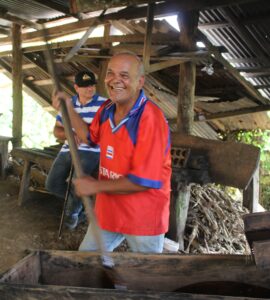
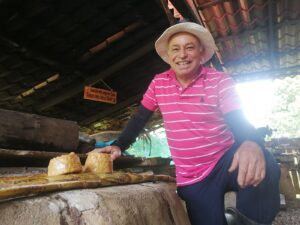
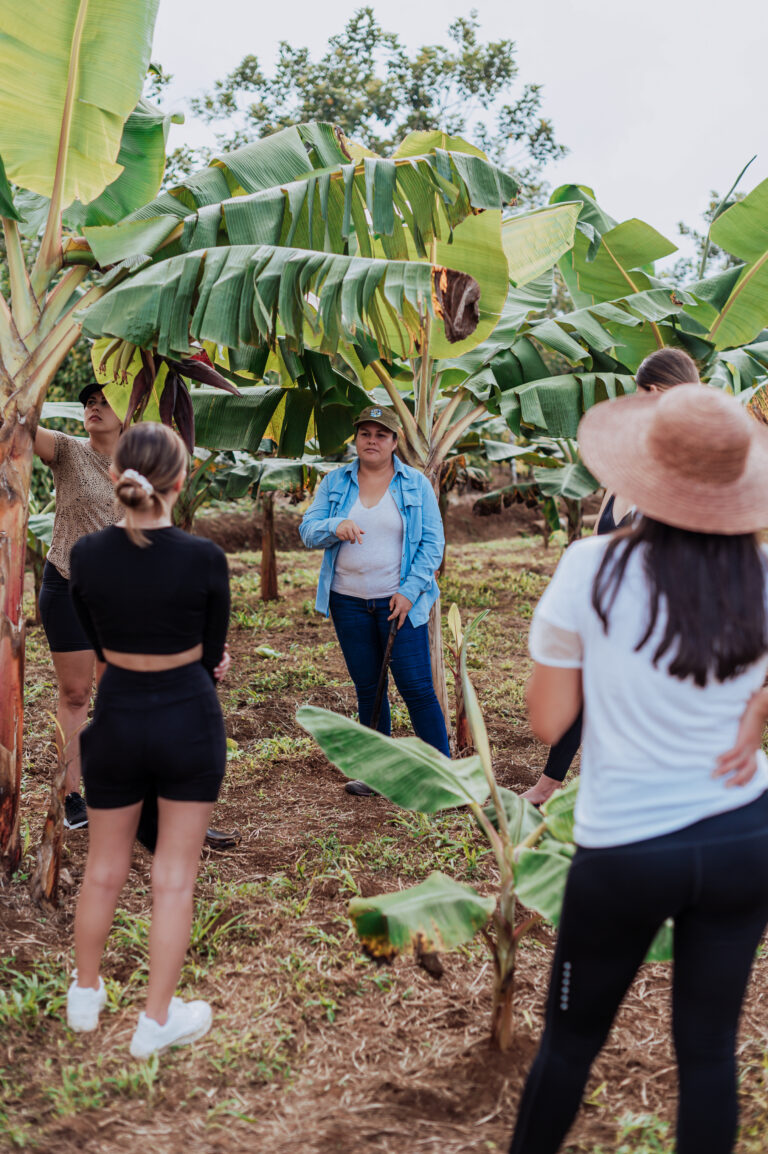
When travelers take part in rural experiences, they quickly realize that beyond the beautiful landscapes there is something far more powerful: a cultural and emotional connection. They begin to appreciate the Costa Rican mindset—one that has no armies or militias, but instead thrives on hugs, laughter, and long conversations among friends. Even more dangerously, they may discover that being tico is not about bloodline or ethnicity. It’s about a shared conspiracy of happiness. Once this realization begins, saving the tourist becomes nearly impossible. “Pura vida,” after all, is highly contagious. A good example is the famously charming fellow working at the traditional sugar mill in Zapotal. In a matter of minutes he manages to make everyone feel like part of the family, guiding them through the sugar-mill ritual as if it were something they had been missing their entire lives.
A tour full of laughter and complicity like that is extremely risky.
2. Never let them feel the warmth of a Costa Rican family
Under no circumstances should your clients experience this. Once they do, it’s over—they’re already honorary ticos. Suddenly they have mothers, cousins, uncles, and extended family members they will want to visit again and again.
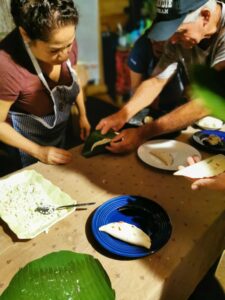
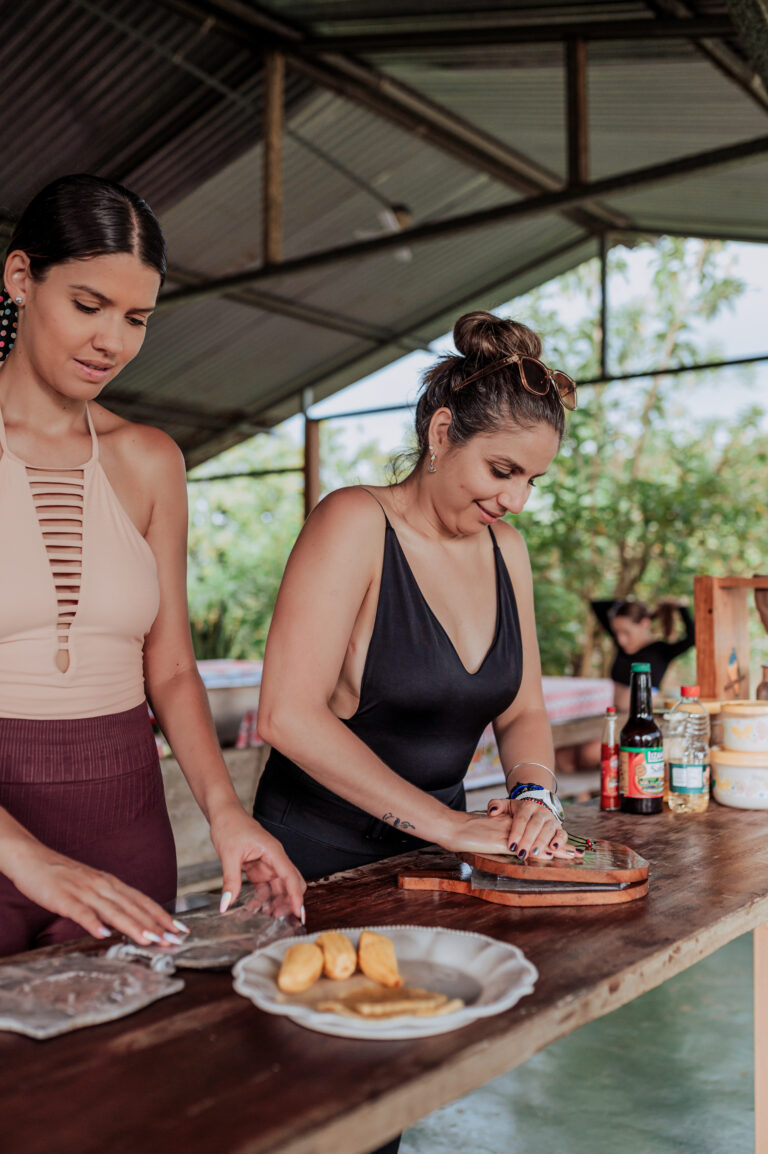
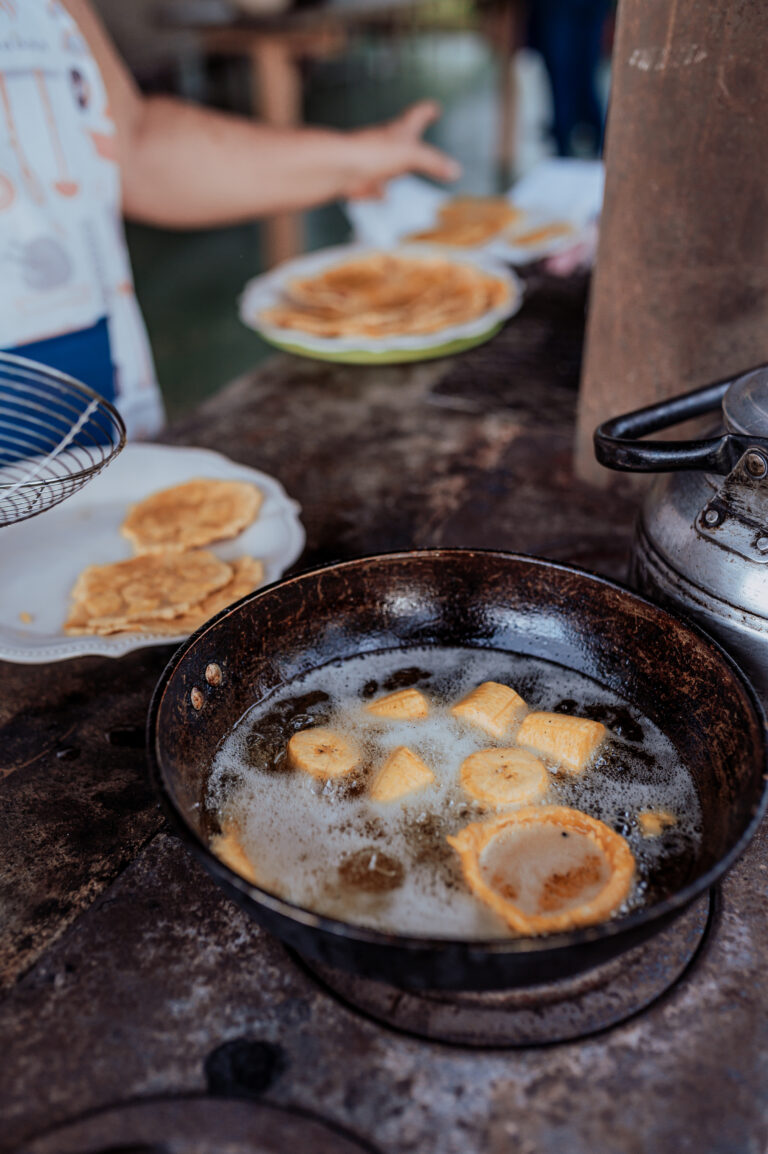
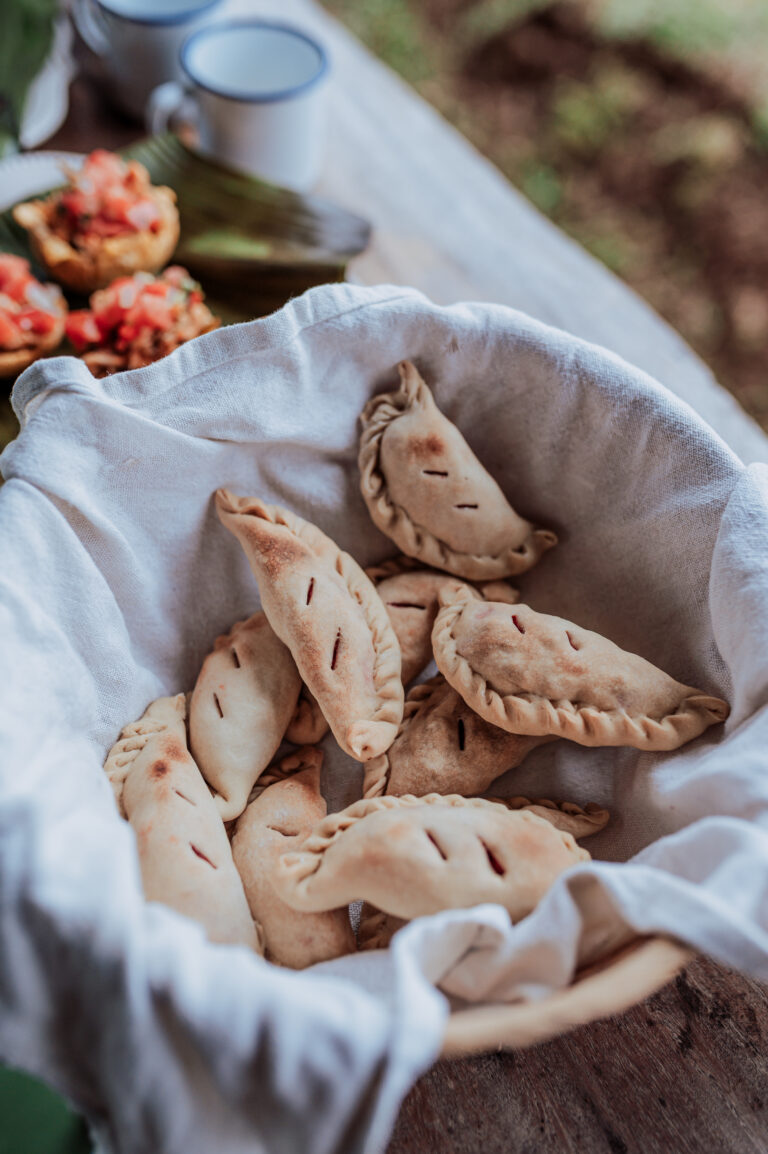
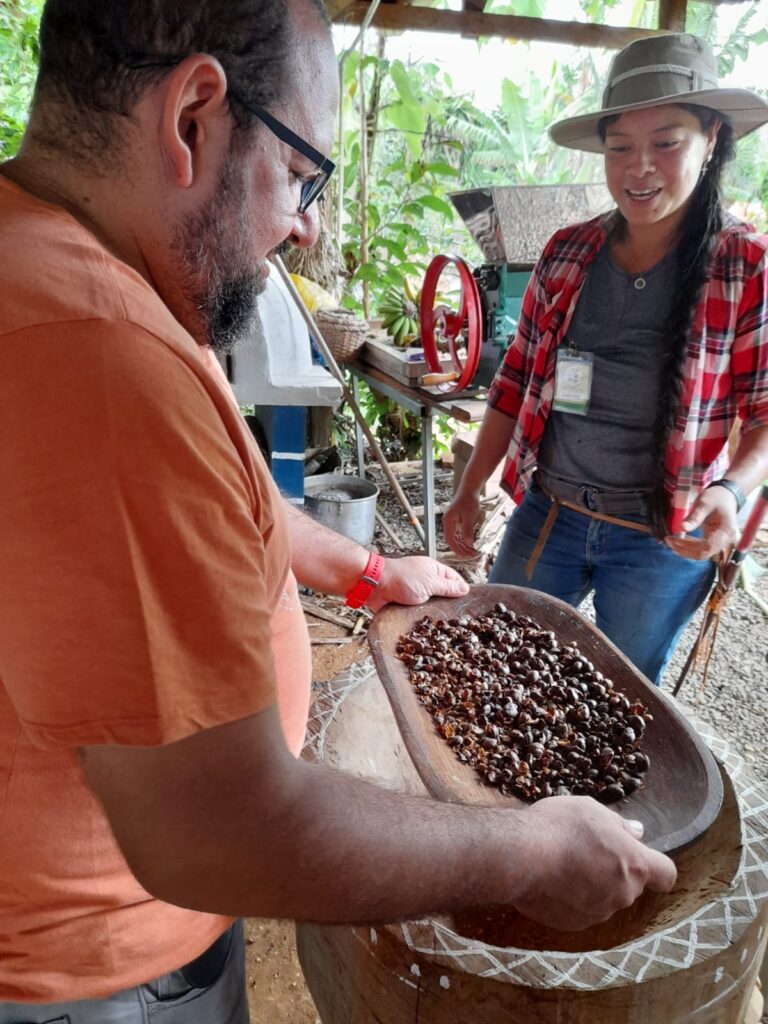
We have detected particularly dangerous cases among travelers who participate in our culinary experiences. Not only do they develop an excessive love for Costa Rican flavors, but when they cook alongside one of our rural women leaders, something irreversible happens: the sense of family and belonging to this land settles in almost immediately.
RTHRTYHRTYURTUYTYYTR
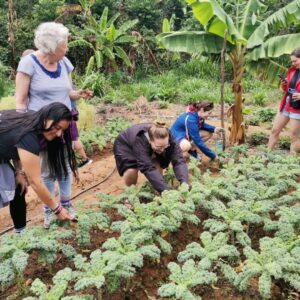
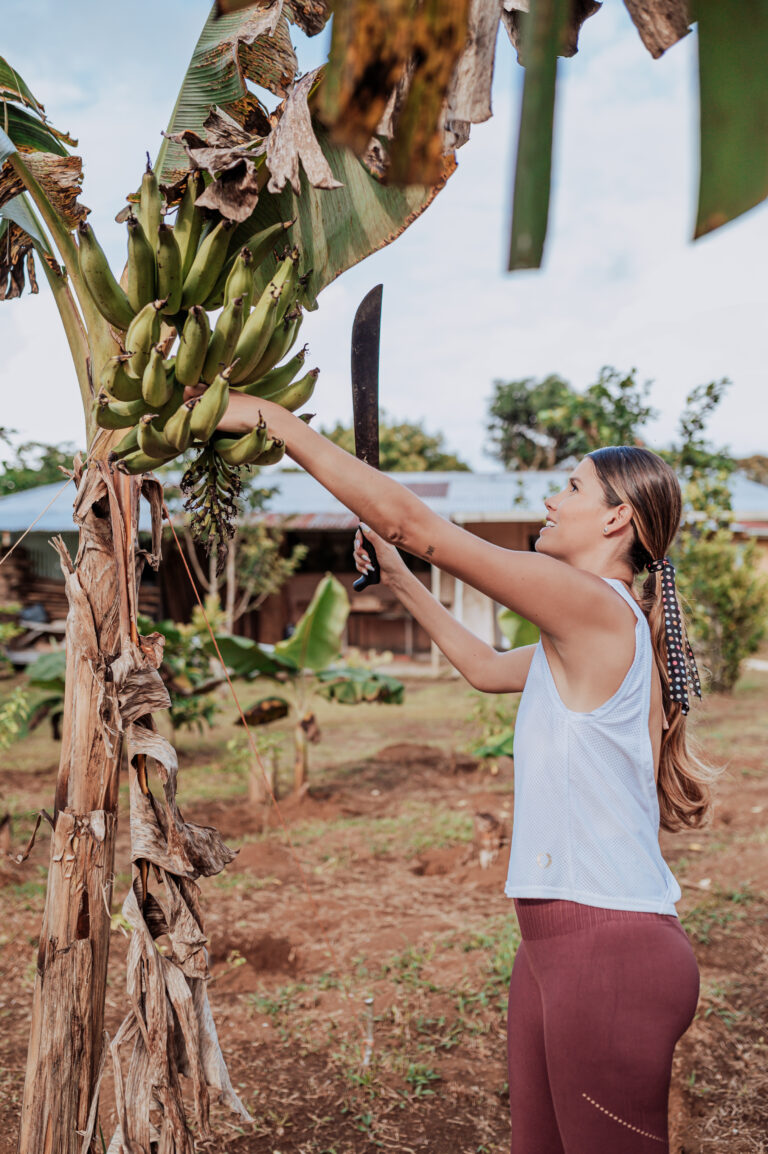
3. Keep them away from agricultural and rural work
When travelers take part in rural experiences, they quickly realize that beyond the beautiful landscapes there is something far more powerful: a cultural and emotional connection. They begin to appreciate the Costa Rican mindset—one that has no armies or militias, but instead thrives on hugs, laughter, and long conversations among friends. Even more dangerously, they may discover that being tico is not about bloodline or ethnicity. It’s about a shared conspiracy of happiness. Once this realization begins, saving the tourist becomes nearly impossible. “Pura vida,” after all, is highly contagious. A good example is the famously charming fellow working at the traditional sugar mill in Zapotal. In a matter of minutes he manages to make everyone feel like part of the family, guiding them through the sugar-mill ritual as if it were something they had been missing their entire lives.
A tour full of laughter and complicity like that is extremely risky.
4. Avoid exposure to authentic tico laughter
Whether through children in local communities or through rural leaders—both men and women—there is a serious risk that visitors will learn to laugh with the natural joy of Costa Ricans.
Even worse, they might start adopting local expressions like “qué tuanis” (“how nice”), a dangerously charming phrase that slowly introduces them to the communal lifestyle, peaceful rhythm, and relaxed spirit of Costa Rican life.
This may escalate further: they might learn to make coffee the traditional chorreado way and begin valuing human connection the tico way. At that point, the situation becomes very difficult to control.
5. Be careful with community pioneers
Many of the communities we visit didn’t even exist a few decades ago. Visitors often meet the pioneers who built them—or the descendants who continue their legacy.
These people embody the fearless spirit of yes, we can. But even more concerning is the contagious mindset of communities that don’t just farm the land—they protect it.
Exposure to this philosophy is frequently one of the final stages of Costa-Ricanization. Once travelers witness it, their desire to become part of it can become unstoppable.
6. Do not allow forest walks with locals
These 100% natural hikes are particularly hazardous.
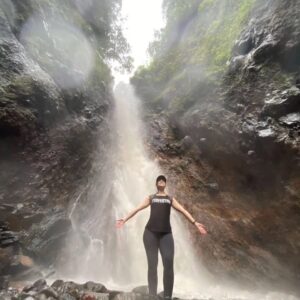
Scientific evidence suggests that walking through the forest with local guides triggers endorphins, stimulates serotonin, and exposes visitors to a highly addictive condition known as… happiness.
RTHRTYHRTYURTUYTYYTR
7. The most important rule of all
This rule encompasses all the previous ones—and several others we may not have mentioned.
Do not choose a DMC whose mission, vision, and very DNA are built around these kinds of experiences.
Possibly the most dangerous promoter of all these risky practices is MARO Experiences.
Handle this information with extreme caution… unless you want your clients coming back year after year, bringing a Costa Rican family home with them—or being adopted by one.
Let us help you craft authentic rural experiences in Costa Rica.